“Brands must remain distinctive“
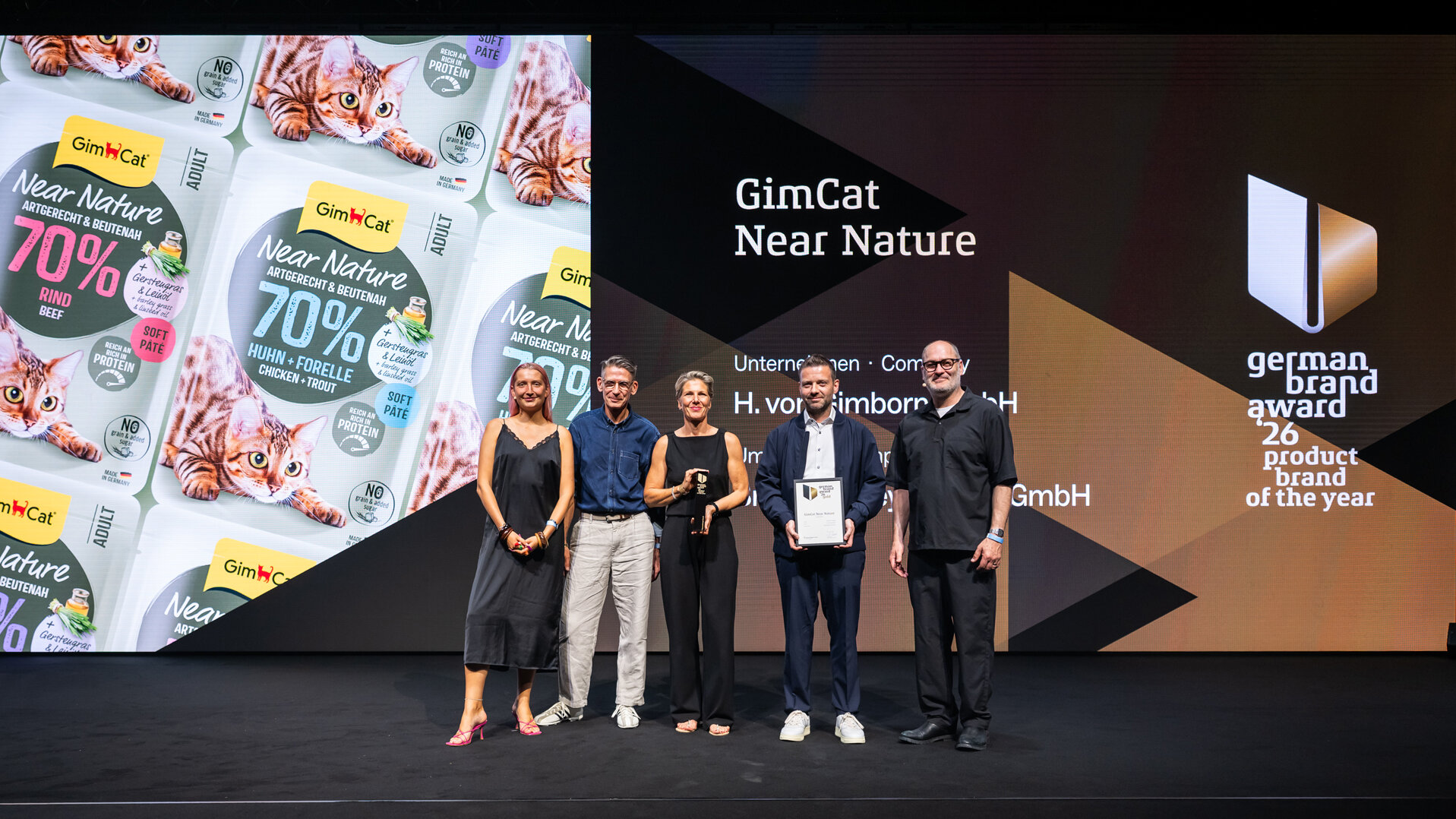

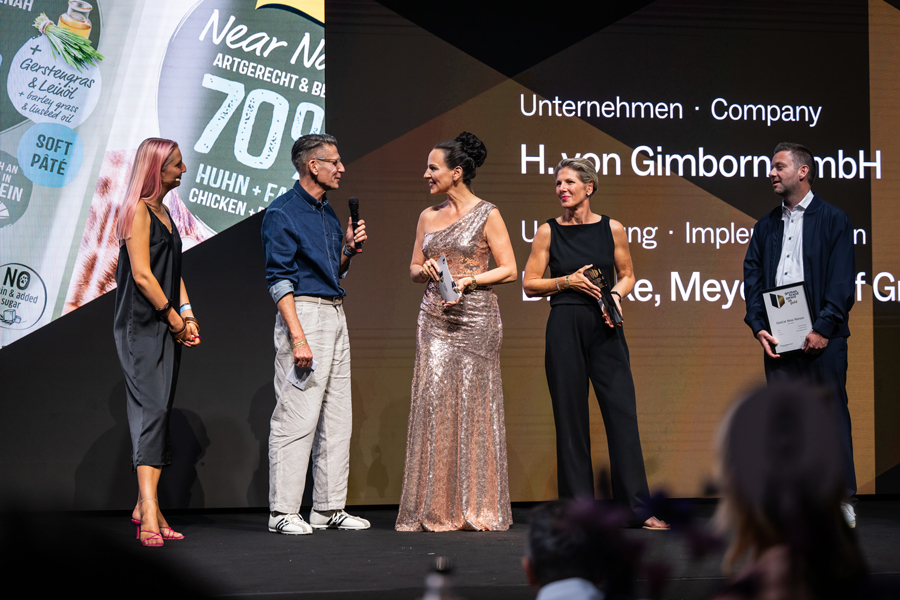
One Best of Best, one Gold, two Winner awards: Together with pet food manufacturer H. von Gimborn, Brösske, Meyer & Ruf received four awards across both disciplines of the German Brand Awards 2026. Congratulations! What motivated you to enter?
As a design agency, we make brand performance visible. We translate strategy into design that works on the shelf, connects with people emotionally and builds brand value over the long term. The German Brand Awards give us a valuable opportunity to have our work assessed by its jury. We also found the right platform to showcase our work, talk to others working in branding and gain new perspectives. That combination of recognition, visibility and professional exchange is exactly what motivated us to submit.
What does winning four awards mean to you personally?
Confirmation, responsibility and motivation. The recognition is for more than a single project: it acknowledges the way strategy, creativity and implementation work together at our agency — and how our work performs in the market.
How did you find the Award Show? Was there a moment that has stayed with you in particular?
I particularly remember the live pitches for Startup of the Year. Each of the three finalists had just five minutes to explain their business model. The audience then voted live for Super Pop, the Stuttgart-based start-up making high-fibre fizzy drinks. The tension and emotion in the room were truly special. I also remember the mix of gala dinner, stage programme and after-show party, as well as the surprisingly relaxed atmosphere.
What role does emotional appeal play in packaging design? And how does it come through in “GimCat Near Nature“?
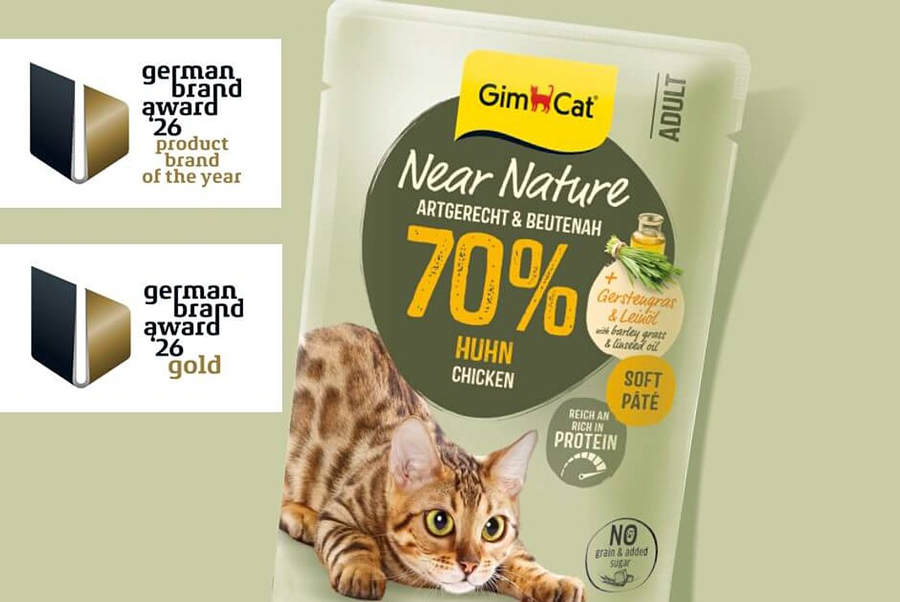
Emotional appeal is a key driver in packaging design. Purchase decisions are often made intuitively and within seconds. Whether a product is noticed, understood and ultimately bought in a retail setting often hinges on its design. To explain further: at the point of sale, people respond to emotional cues such as “fresh“, “high-quality“, “familiar“ or “playful“. A pack that triggers a positive feeling lowers psychological barriers and turns attention into interest. Emotions influence not only the first purchase, but also product evaluation, preference, repeat purchase and brand loyalty. With “GimCat Near Nature“, the pack makes the product claims “close to a cat’s natural prey“ and “natural“ immediately visible and tangible. It translates a scientifically grounded approach to nutrition into a clear visual code: natural colours, a cat in a hunting pose and a clear information hierarchy.
As Creative Director, you work on the concept of “emotional brand fit“. What does it mean? And how do you tell whether your work really hits home?
Emotional brand fit describes how well a brand aligns with its audience’s feelings, values and self-image. It is not simply about whether a brand seems likeable or evokes as many emotions as possible. Its design, communication and overall experience need to feel “right“. Established brands need visual codes that make their messages feel authentic. An innovative product, by contrast, should evoke curiosity, modernity or surprise. When all of these statements are true “This brand is right for me“, „It makes me feel positive“ and “I’d buy it again“, I can be confident that our work really hits home.
What effect can an award label have on product packaging?
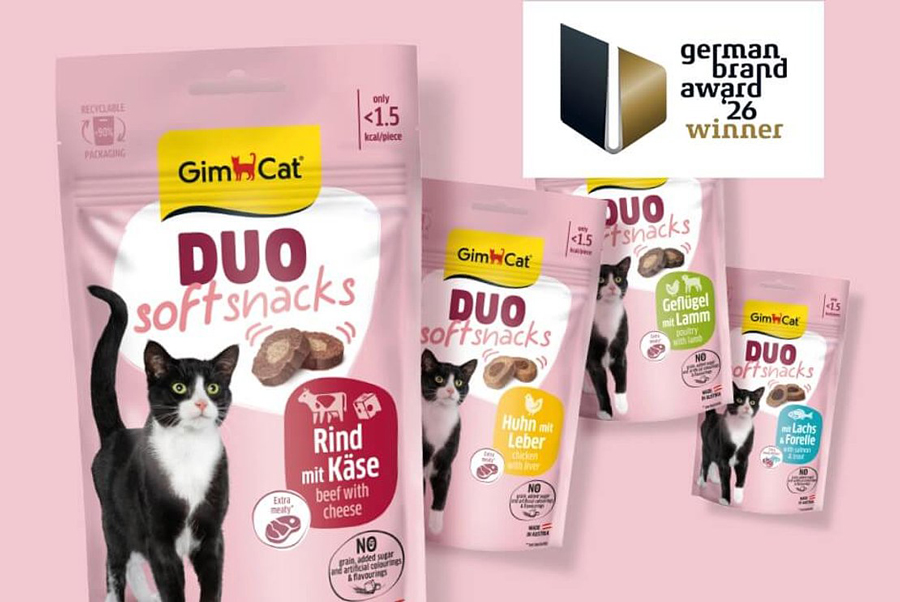
An award label can act as a quick signal of trust and quality on packaging. It reduces uncertainty at the point of purchase, helps a product stand out on the shelf and can increase the likelihood of purchase as well as consumers’ willingness to pay. That depends on consumers recognising the label, understanding it and trusting the awarding body.
Brösske, Meyer & Ruf sees packaging design as one of the tools of consistent brand management. What does that mean in practice?
Strategically designed packaging helps determine whether previous investments in a brand actually deliver results. That is why we see packaging design not as an isolated design task, but as the practical expression of brand strategy. The pack is often the last touchpoint before purchase, but its role begins much earlier. It makes brand performance visible, helps people identify with the brand and provides guidance at the point of sale. It also directly helps build and sustain brand value: guidelines, style rules and packshots for retail partners ensure consistent brand codes across shelves, e-commerce, social media and advertising.
For over 35 years, you have been responsible for the brand and packaging design of numerous well-known consumer goods brands. How have the requirements changed since then, and what challenges do you anticipate in the future?
Brand and packaging design has evolved from a primarily visual design task into a strategic, multidimensional discipline. Brands now have to operate in a far more complex world. People encounter them not only in shops, but also in app listings, on digital marketplaces and in delivery boxes — and they scrutinise sustainability claims. That calls for a clear, authentic brand identity that works just as well on a retail shelf as it does as a thumbnail. The most important skill is no longer just design craft. It is the ability to put strategy, technology and regulations into practice without losing sight of emotional messages. Brand designers need to understand business objectives, consumer behaviour, materials, regulatory requirements and digital systems. The greatest challenge is standing out despite standardisation: regulations, pressure for efficiency and digital scalability are pushing brand design towards uniformity, even as brands need to remain distinctive now more than ever.
What principle guides Brösske, Meyer & Ruf when making strategic decisions?
We don’t follow trends, and we don’t design for design’s sake. We focus on making a lasting contribution to brand value. Every design and brand decision is guided by whether it makes the brand’s performance visible, creates differentiation and generates economic value over the long term.
Is there a brand or campaign at the moment that makes your heart beat faster?
Deutsche Bahn’s “Wir sind noch nicht da“ campaign makes my heart beat faster at the moment. It drops the usual promise of punctuality and moves away from the image of an anonymous infrastructure brand. Employees take centre stage. The campaign’s strength lies in its honesty as a brand code. It acknowledges its shortcomings instead of polishing them away. That builds more trust than a perfect performance claim that often cannot be delivered in everyday life.