Why strong brands matter more than ever today
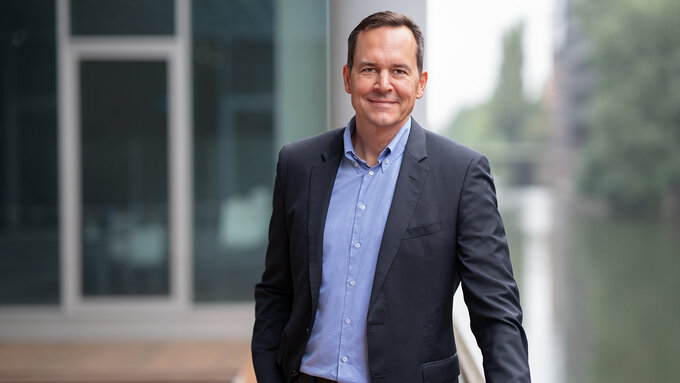
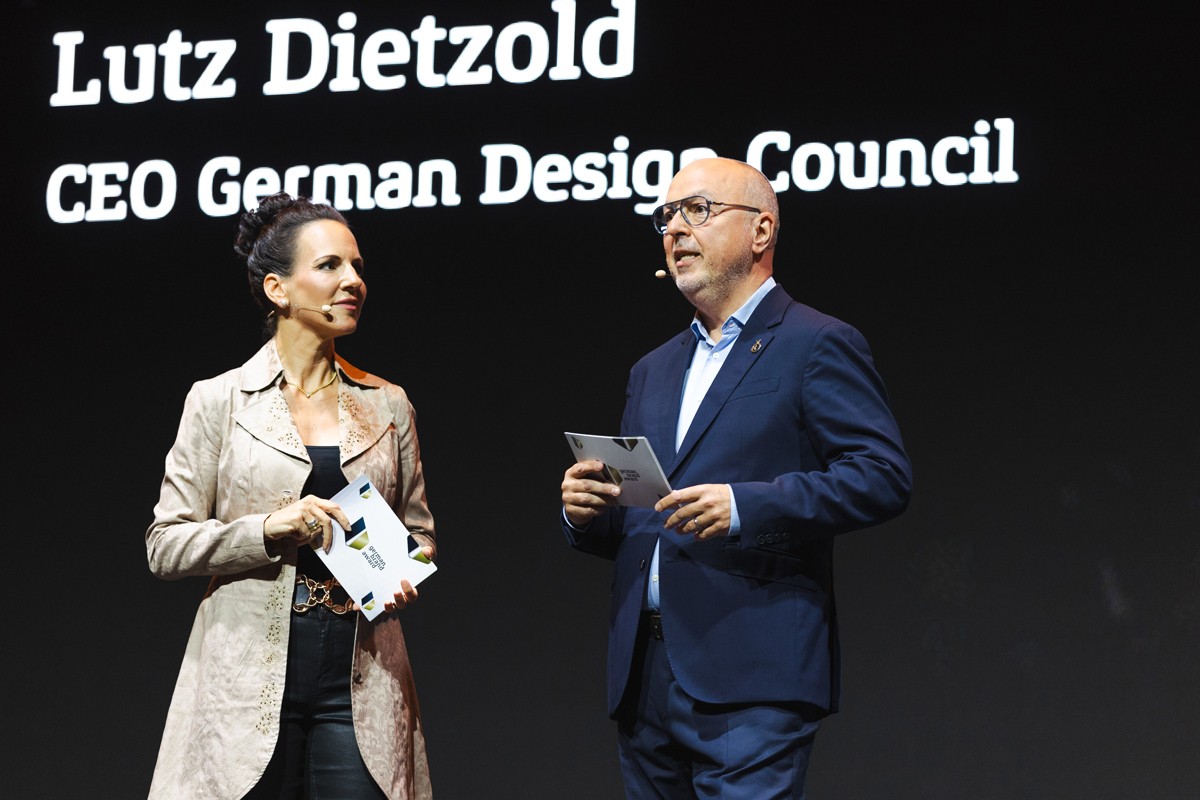
In an interview with PAGE (in German), Ditzold looks back on formative moments and developments in the world of branding and communication – and explains what makes the German Brand Awards so special. An excerpt.
The German Brand Awards provides a platform for brand successes. Why is this visibility so important today?
Markets are becoming more confusing, attention spans shorter, competition tougher – which is why visibility is more important than ever for brand success today. Brands not only face the challenges mentioned above, but are also expected to offer good products or services and convey attitude and orientation. Those who master this task, often through teamwork, and excel at it deserve recognition and should be allowed to celebrate their achievements. The German Brand Awards not only creates the framework for this, but also provides impetus for the entire industry.
In addition, the awards show creates a unique community and a strong network of small and large players in the world of brands and communication. Visibility through the award therefore means not only reputation, but also valuable networking and exchange on an equal footing.
What does ‘brand’ mean to you?
Do I write in a Moleskine notebook or on loose sheets of paper? Do I choose a heat pump from BOSCH or an unknown manufacturer? Do I sit on a chair or a Thonet? Each of these three brands exemplifies identification, quality and orientation. What's more, brands are an integral part of our everyday culture. They influence our purchasing decisions. Brands create long-term loyalty – the actual practical value behind them often becomes secondary. When a company succeeds in this relationship – in making its product, positioning and purpose a successful experience – we talk about a brand.
We are currently talking a lot about branding coming back to the fore in brand management compared to performance. Do you see it that way too – and do you welcome this development?
Yes, I see this very clearly in companies and not least in the results of the current management study ‘Deutscher Markenmonitor’. In it, only about one in seven of the 311 participants say they measure brand success with clear KPIs. The influence of products and ranges, services or sales on the image is largely not measured. At the same time, most of the companies surveyed do not have brand-derived guidelines for their innovation strategies. I very much welcome the fact that branding is once again coming to the fore. However, brand management is only successful if it is holistic and branding and performance are intertwined.
In the DACH region, there are several awards that focus on brand work. Why are these awards still necessary – and what makes the German Brand Awards special?
The German Brand Awards stands out because it does not name the loudest campaigns, but treats brands holistically and as a strategic management task. As the organiser, the German Design Council is thus also fulfilling its founding mission: to strengthen the interaction between design, brand and innovation as factors that promote economic growth. Another unique feature: at the award ceremony, CMOs meet agencies, political representatives meet managing directors, and creative teams meet potential clients. The day is all about knowledge exchange, networking and celebrating well-deserved successes – and I look forward to it every year!
The German Brand Award has been awarded since 2016. What are your three most important insights from ten years of brand excellence?
In the past decade, hardly any other industry has changed and professionalised as much as brand management. Back then, we were still talking about ‘digital worlds’; today, ‘digital first’ reigns supreme. After the pandemic, NFTs were supposed to be the brand tool of choice. Companies are increasingly focusing on new work and an employee-centric corporate culture and brand management. And a growing and sustained awareness of sustainability over the years has put some traditional brands in a difficult position.
When I look back on the founding moments of the German Brand Awards, three key insights stand out. First: there can be no brand excellence without strategic clarity. The most compelling brands emerge where positioning, corporate culture and communication work together consistently. And design language translates this. Second, we see that trust has a stronger long-term effect than short-term attention. Especially in transformation processes and ongoing crises, it is the credible and consistent brands that remain resilient – which brings us back to the compass. And thirdly, brand management has evolved significantly: brands today are no longer mere transmitters. They promise moments of experience and identification, creating communities and entire networks. They are even more firmly established in our everyday culture than they were a decade ago.
Which moments from the past 10 years on stage have stuck in your memory?
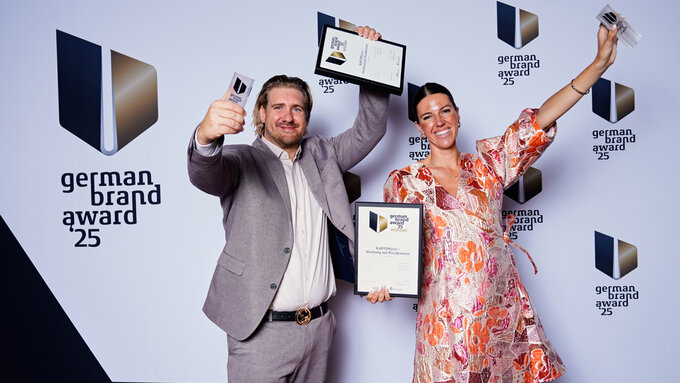
I had the privilege of inviting a lot of inspiring personalities from all kinds of industries onto the stage, who have contributed in many different ways to excellent brand management in the DACH region. One encounter that particularly stuck in my memory was a conversation with the winning team from ‘Unsere Bayerischen Bauern’ (Our Bavarian Farmers) at the 2022 Award Show. Talking to dairy farmers about brand management was a unique change of perspective for me. In 2024, we had Germany's most influential rappers on stage: Kool Savas and the agency UMG For Brands were honoured for their culturally charged campaign to launch the new ‘Call of Duty’ game. The contrasts couldn't be more stark, could they? It's not easy for me to filter out the many moments of success. But I also like to think back to the beaming faces of the winners of Bridging Gaps. The NGO, which awards donations as microloans in the Global South, received the title Brand Innovation of the Year together with Studio tülü. The then Creative Director Wiebke Meyer-Lüters left such a lasting impression that we subsequently invited her to join the jury of the German Design Awards. Finally, I would like to conclude with a success story that started it all: in 2015, the pharmaceutical and technology group Merck radically revamped its global brand identity, which was controversial at the time but is now regarded as a bold and successful move. The 350-year-old company should not be judged by its age, but rather by its capacity for innovation. The German Brand Awards 2016 honoured this disruptive rebranding in several categories.